Imagine that it is the last day before Thanksgiving break. Your grading is finished, your students have had a productive week, and you even have your copies made for when you return from the break. When the bell rings, you’re ready to walk out of school and focus on family for the next few days.
You get to spend Thanksgiving break actually enjoying Thanksgiving break.
If that sounds amazing, know that it can be a reality!
The week before Thanksgiving can be stressful for middle school teachers. Students are excited about the upcoming break, which means their attention spans can be shorter than normal and their impulse control may not be quite as strong.
What if we flipped the script on this and made the days before Thanksgiving break a calm and productive time in your classroom? With a little planning and the right Thanksgiving activities for middle school ELA, you can keep your students engaged while making your life maybe just a little bit easier.
Here are five ways to make the days before Thanksgiving break a little less chaotic and a lot more productive.
1. Choose Thanksgiving Activities Students Can Do Independently
One of the best ways to make the days before Thanksgiving break a more productive time for you is to choose activities that don’t require constant support.
Independent activities give students the chance to practice important skills while allowing you the chance to knock some stuff off your to-do list.
I am certainly not suggesting that you give your students days of busy work: The key is to choose activities that students can complete on their own that target important reading skills!
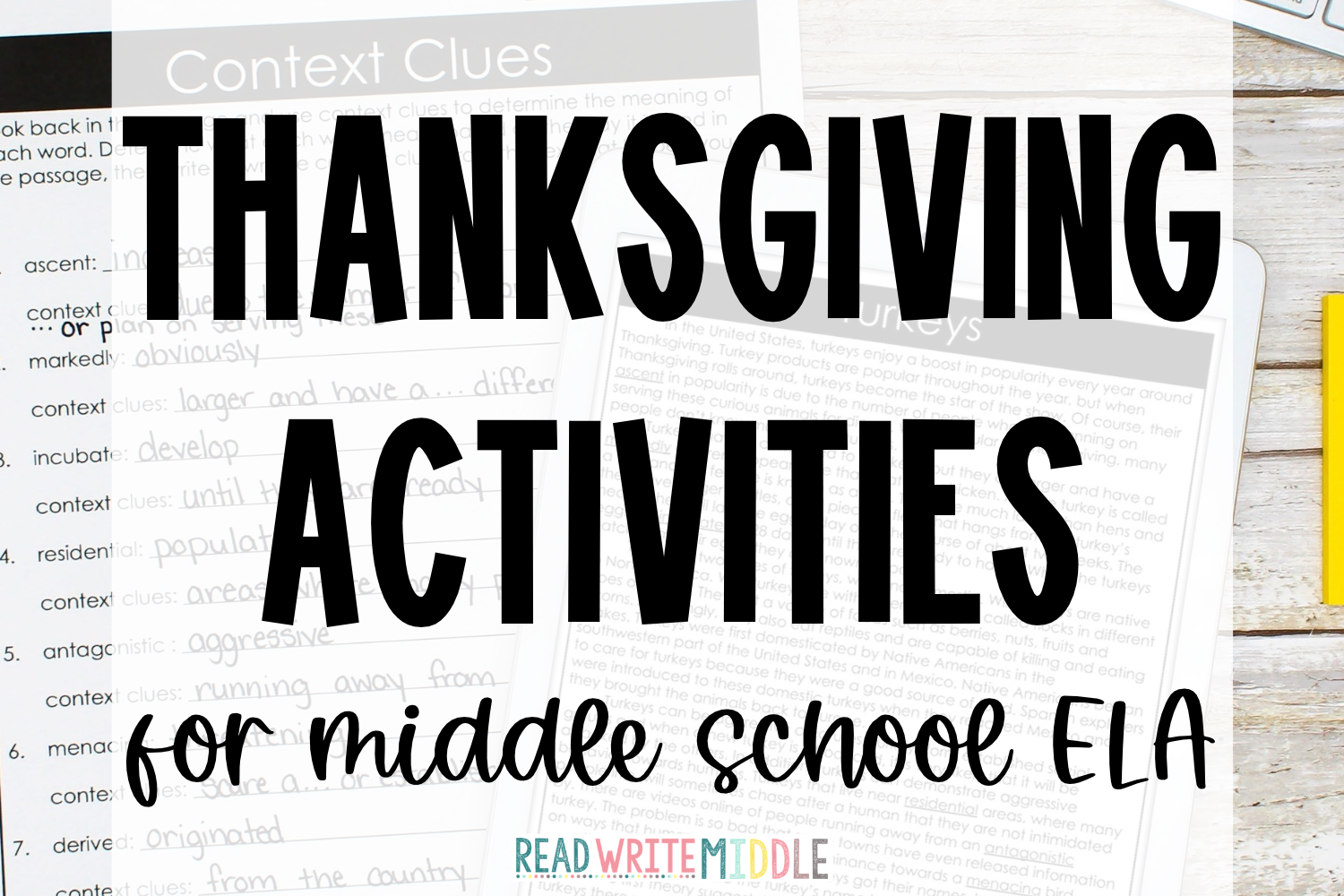
Thanksgiving reading comprehension activities are great because students can practice reading informational texts, finding the main idea, making inferences, and citing text evidence.
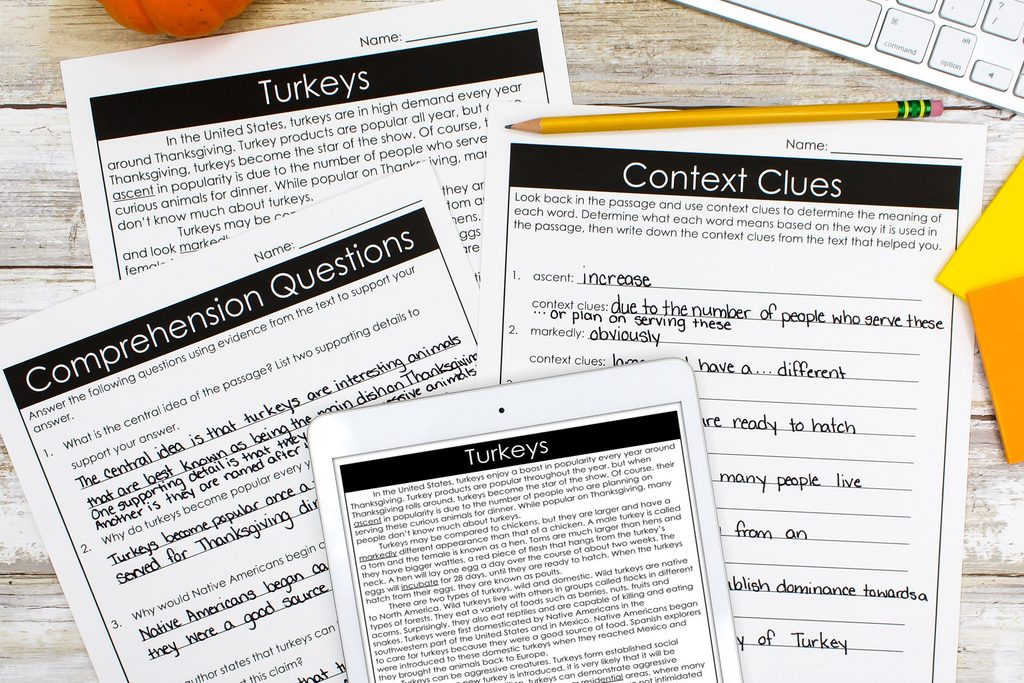
2. Keep Students Engaged with Thanksgiving Context Clues Activities
Keeping middle schoolers focused right before a holiday break can be a challenge.
That’s why I love using seasonal vocabulary activities!
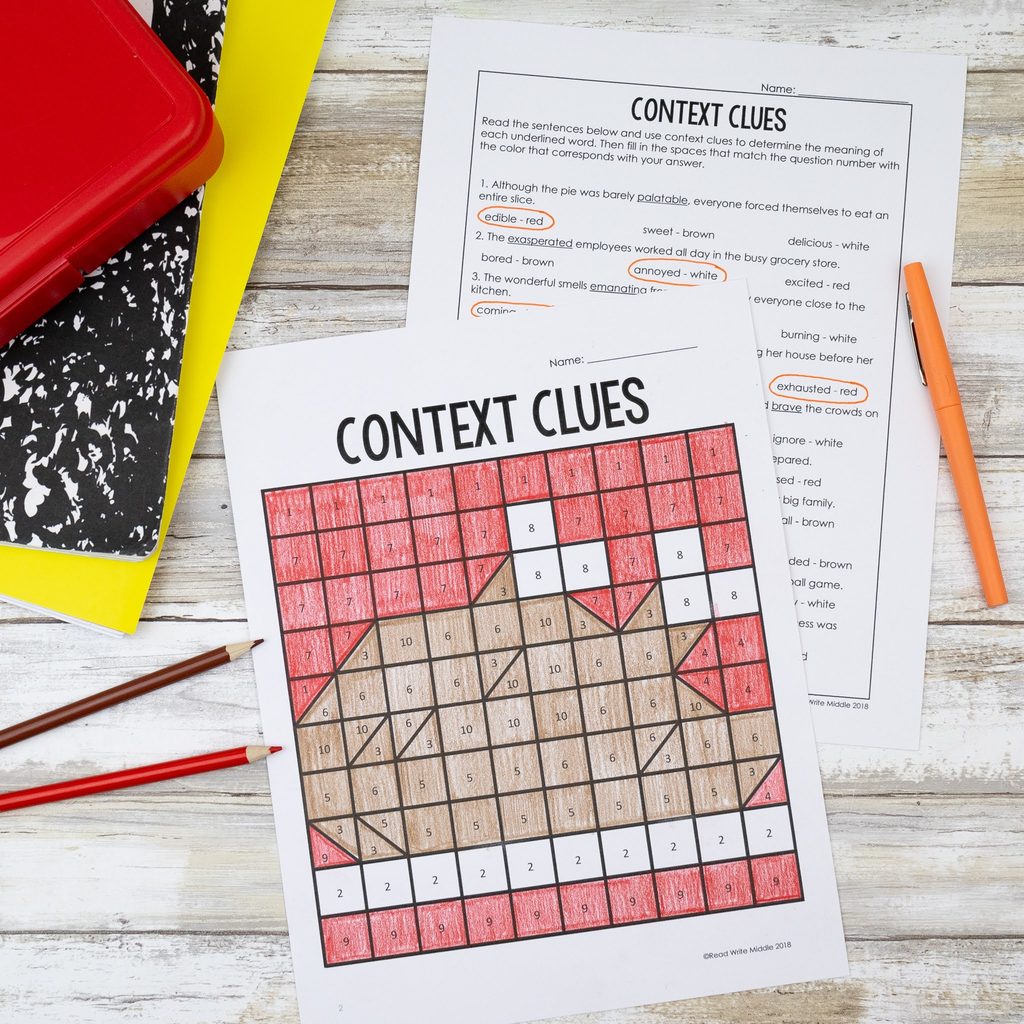
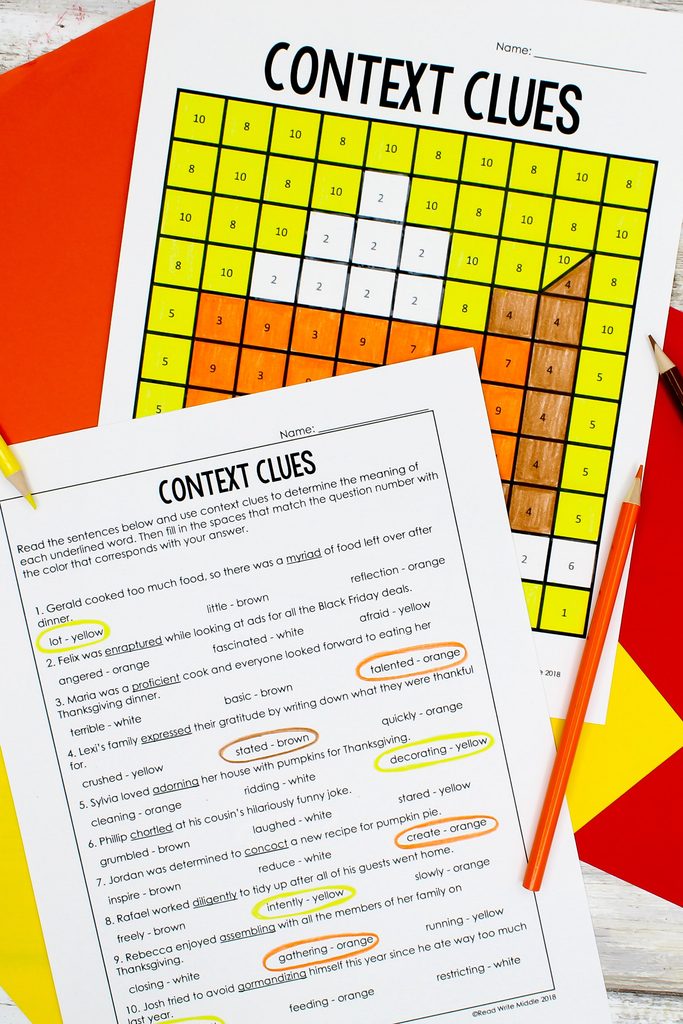
Thanksgiving context clues activities give students practice using context clues to determine the meaning of unknown words in a way that is still a little festive. My Thanksgiving context clues color-by-number activity is great for this!
Students use context clues to answer vocabulary questions and then color in boxes to reveal a fun mystery image.
3. Don’t Start a New Unit Before the Break
I know what the pressure of that pacing guide feels like, but trying to start a brand new unit in the days before the break can be a big mistake.
Of course, every classroom and curriculum is different, but the days leading up to Thanksgiving can be a great opportunity to review and reinforce previously taught skills.
Instead of starting a new unit, how about using those days to focus on skills your students need more practice with?
For middle school ELA, that could include:
- Finding the main idea
- Making inferences and citing text evidence
- Using context clues to determine the meaning of words
- Writing constructed responses
4. Give Yourself Time to Finish Grading Before Thanksgiving Break
Imagine not bringing home that bag full of papers to grade and then feeling guilty all weekend that you never got around to it.
Imagine not spending Sunday afternoon grading assignments because you promised yourself you’d get them done over the break.
Imagine actually having time to relax!
Of course, students will still need help, and grading shouldn’t take priority over instruction or supervision. The independent activities I mentioned earlier are a great way to build pockets of time into your day so that you can knock that grading out.
Teacher tip: Before the week begins, make a list of the grading tasks you want to finish. Prioritize the assignments that need to be entered before break, and look for opportunities throughout the week to make progress.
Even if you don’t finish absolutely everything, you’ll be glad you made the effort!
5. Make the First Week Back From Thanksgiving Easier, Too!
This may be the last tip, but it is certainly not the least important! Make sure you’ve planned and prepared your first day back from the break before you leave!
If you’ve taught before, you know that having to plan for the first day back can make the break feel like it got cut a little short. A little preparation before Thanksgiving can make returning to school much easier.
You don’t have to plan an entire week of elaborate instruction.
Even having your first day’s activities copied, organized, and ready to go can make a big difference.
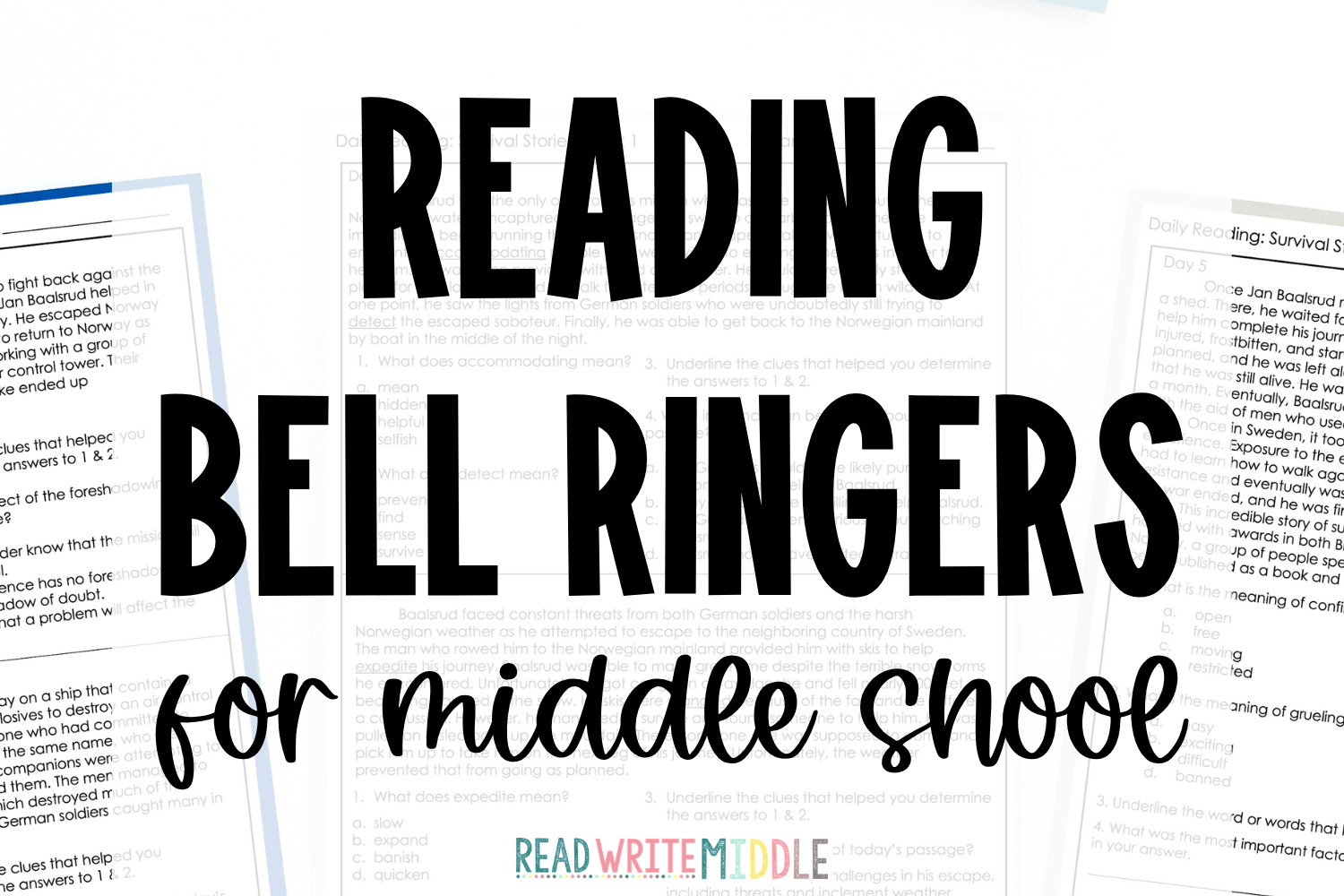
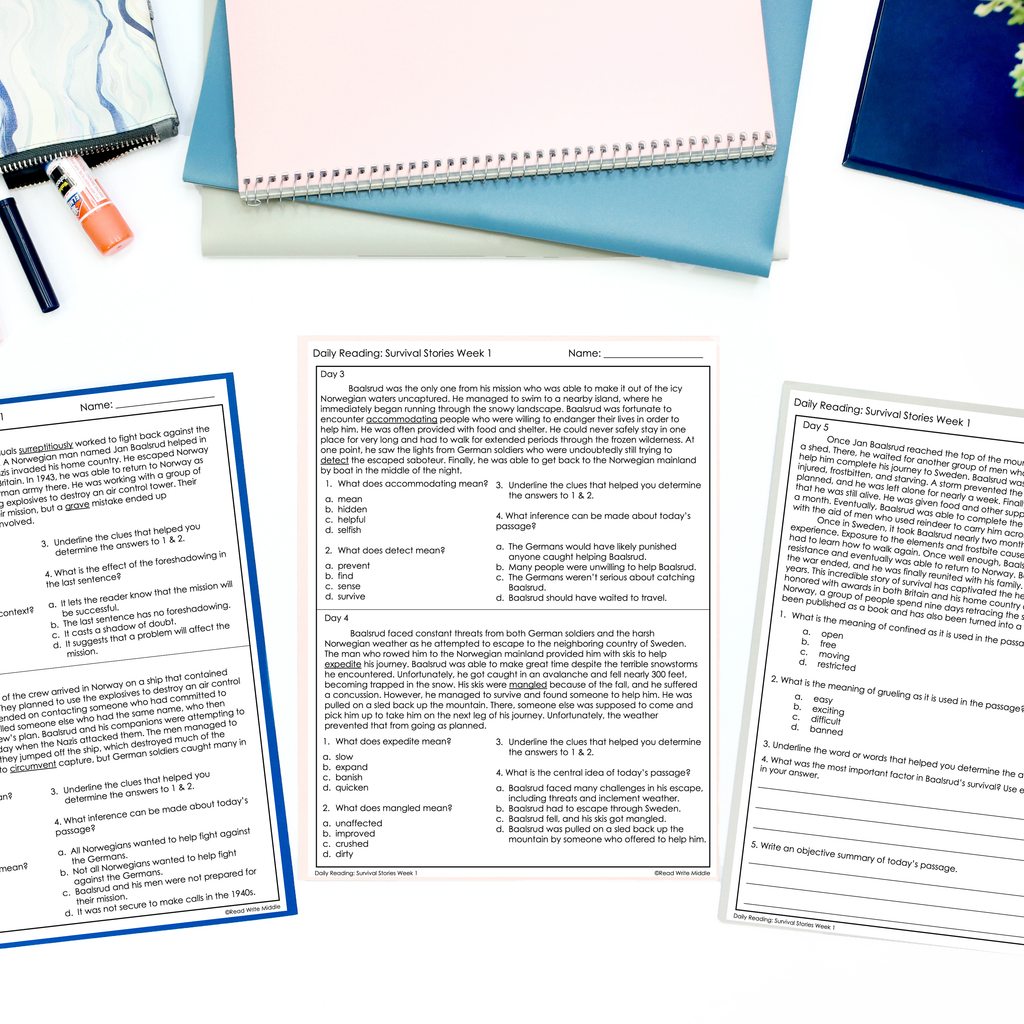
One of my favorite ways to make the first day back easier is to have a familiar bell ringer ready for students as soon as they walk into the classroom. My reading bell ringers make it easy to get students back into their routines while practicing important reading comprehension skills.
Your Thanksgiving Break Should Actually Feel Like a Break
The week before Thanksgiving doesn’t have to be chaos.
With the right activities and a little intentional planning, you can keep students engaged in reading comprehension practice while making progress on your own classroom responsibilities.
If you’re looking for engaging, no-prep Thanksgiving activities for middle school ELA, check out my Thanksgiving reading comprehension activities.
They’re designed to help students practice important reading comprehension skills without adding unnecessary preparation to your already busy schedule.
And maybe you’ll get to experience the magic of walking out of school before Thanksgiving break with nothing on your to-do list.